
 English
When building network systems, switches serve as the core hub for connecting devices and facilitating data transmission. However, faced with the wide array of "managed," "unmanaged," and "smart managed" switches on the market, many beginners and enterprise procurement personnel often feel confused. how do you pick the right one? Is it just about price, or are there critical differences in features and security? This article will delve into the definitions, core differences, and applicable scenarios of these three types of switches to help you make the most informed equipment selection.
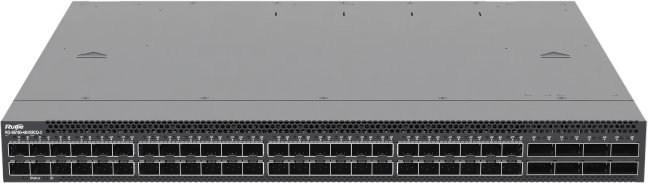
1. What is a Managed Switch?
A managed switch typically supports various network protocols like SNMP, allowing users to deeply monitor the switch and its port status. Network administrators can use the Command Line Interface (CLI), Graphical User Interface (GUI), or network management protocols to perform advanced operations such as configuration optimization, troubleshooting, traffic control, and VLAN segmentation. Designed for high-load, high-traffic environments requiring extensive customization, these switches are widely deployed in large data centers and enterprise core networks, delivering exceptional scalability and network reliability.
2. What Is an Unmanaged Switch?
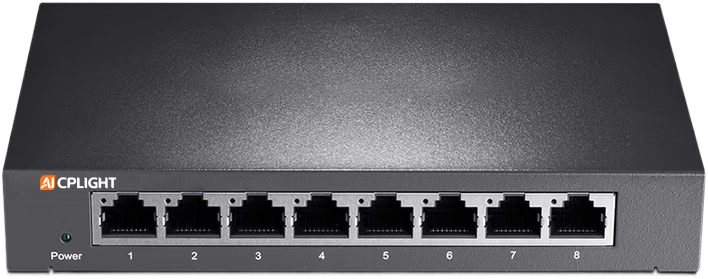
Often referred to as "plug-and-play" switches, unmanaged switches are typical devices that require zero configuration; users can deploy them immediately upon connection. Their functionality is straightforward, providing only basic data forwarding without the ability to log in via software for management. This means you cannot monitor data such as port utilization or throughput. Because they use fixed configurations and do not support manual intervention, they are ideal for environments with simple network topologies and low security requirements.
3. What Is a Smart Managed Switch?
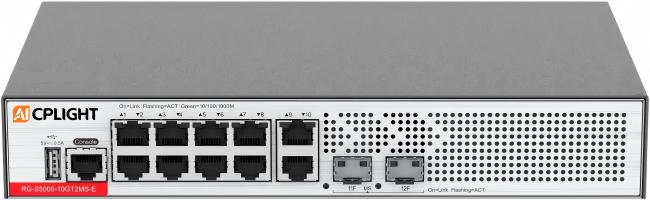
Smart managed switches generally offer visual management through a web browser, allowing users to maintain the network via an intuitive interface. These switches are particularly suited for businesses that require remote security management and basic troubleshooting, balancing performance with ease of use. For small to medium-sized enterprises (SMEs), smart managed switches represent a highly cost-effective solution; their core advantage lies in allowing users to adjust configurations based on specific needs without having to master complex command-line instructions.
4. Managed vs. Smart Managed vs. Unmanaged Switches
| Feature | Managed Switch | Smart Managed Switch | Unmanaged Switch |
|---|---|---|---|
| Management Methods | CLI, GUI, SNMP, Telnet, etc. | Web-based GUI (Web browser) | None |
| Core Functionality | Comprehensive monitoring and granular network control | Basic monitoring and Web configuration | Plug-and-play; data forwarding only |
| Security Level | High | Medium | Low |
| Cost | High | Cost-effective | Economical |
| Applications | Data centers, large-scale enterprise networks | SMEs, hotels, campus network access layers | Homes, small studios |
5. How to Choose the Right Switch?
If your goal is to build a large-scale, professional network that requires remote operations and maintenance (O&M), high-security assurance, and a complex architecture, Managed Switches are your only choice. They ensure administrators maintain real-time control over network fluctuations, delivering maximum reliability.
If you simply need to get devices online for a home office or a small dorm and don't want to spend any time or effort on configuration, then a plug-and-play Unmanaged Switch is the most hassle-free and economical option.
For small to medium-sized enterprises (SMEs) with limited budgets but a need for network stability, Smart Managed Switches offer the perfect balance between functionality and cost. With visual management and essential security features, they are the ideal solution for those seeking high cost-performance.
6. Final Considerations for Selection
In actual equipment selection, it is crucial to evaluate your network scale, the availability of professional IT staff, and your tolerance for business downtime. For rapidly growing businesses, it is often wise to leave some "management headroom." Choosing a Smart Managed or Fully Managed switch now can save significant reinvestment costs when it comes time for future network upgrades.


