OSFP 800G and OSFP224 800G optical modules are both designed to deliver 800Gbps bandwidth in modern data center networks. However, they rely on different electrical signaling technologies. Traditional OSFP 800G modules typically use 112G SerDes lanes, while OSFP224 modules are built around next-generation 224G SerDes, enabling higher bandwidth density and better alignment with next-generation AI networking hardware.
Two terms that frequently appear in discussions of 800G transceiver networking are 800G OSFP and 800G OSFP224 optical modules. Although they sound similar, they represent different generations of electrical interface technologies and are designed for different networking architectures.
In simple terms, the main difference between OSFP 800G and OSFP224 800G lies in their electrical lane speeds. Traditional 800G OSFP modules typically rely on 112G electrical SerDes lanes, usually implemented as 8 × 100G optical lanes using PAM4 modulation, while OSFP224 modules are designed for 4×200G electrical lanes, enabling higher bandwidth density and improved scalability for next-generation switch ASICs and AI cluster networks.
This article provides a detailed comparison of OSFP 800G vs OSFP224 800G, explaining their architecture, electrical interfaces, performance characteristics, and typical deployment scenarios in modern AI data center networks.
What Is OSFP 800G?
OSFP (Octal Small Form-factor Pluggable) is a high-density optical module form factor designed for high-speed data center networking. It was originally introduced to support 400G Ethernet but later evolved to support 800G optical modules.
Traditional 800G OSFP modules typically rely on 112G electrical lanes. These modules aggregate multiple high-speed lanes using PAM4 modulation to achieve 800Gbps bandwidth.
A common architecture looks like this:
Typical optical interfaces include:
-
800G OSFP DR8/2xDR4
-
800G OSFP 2×FR4
-
800G OSFP SR8/2xSR4
These modules are widely deployed in modern 400G/800G Ethernet or InfiniBand switches and large-scale cloud data centers.
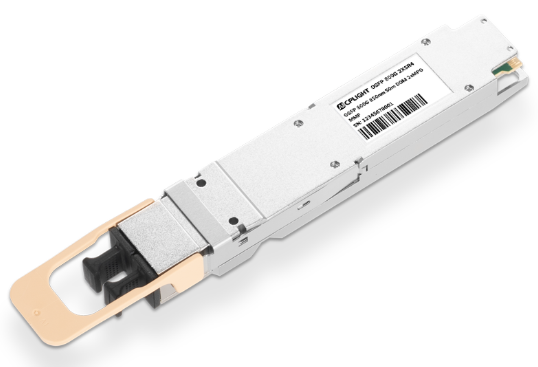
Figure 1: AICPLIGHT 800GBASE 2xSR4/SR8 OSFP Optical Transceiver
What Is 800G OSFP224?
OSFP224 represents the next generation of the OSFP optical module ecosystem. It is designed to support 224G SerDes electrical signaling, which is the next major step after the 112G era.
The key innovation of OSFP224 modules is the ability to support 224Gbps per electrical lane, enabling significantly higher bandwidth density for future networking hardware.
A typical 800G OSFP224 architecture uses:
-
4 × 200G optical lanes
-
224G electrical SerDes
-
Advanced DSP processing
-
PAM4 modulation
This design allows a single module to deliver 800Gbps bandwidth using fewer lanes, improving both signal integrity and system efficiency.
Figure 2: This diagram illustrates a high-speed network connection between two B300 Servers using C8180 NICs and 800G OSFP224 DR4 optical transceivers (OSFP-800G-DR4) linked by a single-mode MPO-12/APC trunk cable for distances up to 500 meters.
Key Differences Between OSFP 800G and OSFP224
Although both technologies support 800Gbps optical bandwidth, they differ significantly in their internal architecture and target deployments.
| Feature |
800G OSFP |
800G OSFP224 |
| Electrical Signaling |
112G SerDes |
224G SerDes |
| Optical Architecture |
8 × 100G |
4 × 200G |
| Typical Interfaces |
DR8 / SR8 |
DR4 |
| Switch ASIC Generation |
25.6T |
51.2T / 102.4T |
| Power Efficiency |
Standard |
Higher efficiency |
| Main Applications |
Ethernet Data Centers |
AI / HPC / InfiniBand XDR |
Electrical Signaling Technology
The most fundamental difference lies in the SerDes signaling speed.
Traditional 800G OSFP modules use 112G electrical lanes, while OSFP224 modules use 224G SerDes technology.
This means:
Fewer lanes simplify PCB design and reduce signal loss at extremely high speeds.
Optical Lane Architecture
Because of the difference in electrical signaling, the optical lane structure also differs. Typical designs include:
OSFP 800G
OSFP224 800G
The 4-lane architecture improves optical efficiency and scalability.
Compatibility With Switch ASICs
Next-generation switch ASICs are rapidly increasing in bandwidth capacity. For example:
-
25.6T switches commonly use 112G lanes
-
51.2T switches begin transitioning to 224G lanes
-
102.4T switches will rely heavily on 224G SerDes
Because of this trend, OSFP224 modules are better aligned with future switch architectures. This is why many AI networking platforms are adopting 800G OSFP224 optical transceivers.
AI and HPC Networking Applications
Both OSFP and OSFP224 800G optical modules are used in high-performance environments, but their primary use cases differ slightly.
OSFP 800G modules are widely used in:
OSFP224 modules are increasingly used in:
-
AI training clusters
-
High-performance computing (HPC)
-
InfiniBand XDR networking
-
GPU-to-GPU communication fabrics
The reason is that AI clusters demand ultra-low latency and extremely high bandwidth, which benefits from next-generation electrical signaling.
Why 224G SerDes Is a Major Industry Transition
The transition from 112G to 224G SerDes represents one of the most important technology shifts in high-speed networking.
At these extremely high frequencies, traditional PCB traces suffer from severe signal degradation. As a result, next-generation optical modules require:
By doubling the signaling rate per lane, 224G SerDes dramatically increases bandwidth density while reducing system complexity.
This technology also lays the foundation for future 1.6T optical modules.
Future Evolution Toward 1.6T Optical Modules
While 800G networking is currently being deployed in advanced AI data centers, the industry is already preparing for the next milestone: 1.6T optical interconnects.
The transition to 224G signaling is a critical step toward enabling these future technologies.
For example:
This means OSFP224 is not just an incremental upgrade—it is a foundational technology for next-generation networking systems.
Conclusion
Although 800G OSFP and 800G OSFP224 modules both deliver the same overall bandwidth, they represent different generations of high-speed optical technology.
Traditional OSFP 800G modules rely on 112G electrical lanes and 8-lane optical architectures, making them well suited for today's Ethernet data center deployments.
In contrast, OSFP224 modules leverage 224G SerDes technology, allowing higher bandwidth density, improved signal integrity, and better alignment with next-generation AI networking platforms.
As AI infrastructure continues to scale, the transition from 112G to 224G SerDes will become a key milestone in data center networking evolution. This shift not only enables higher bandwidth density for 800G systems but also lays the foundation for future 1.6T optical interconnect technologies.

 English